Chinese New Year 2026: Date, Zodiac, and Traditions
Updated: Dec 14, 2025
Chinese New Year – also known as the Spring Festival – is the most important celebration in the Chinese calendar. For us, it’s more than a date; it’s about family, food, and traditions passed down through generations. The atmosphere is one of warmth and togetherness, with weeks of cooking, cleaning, and preparing for a joyful start to the year.
As a family originally from Guangzhou, now running a Chinese takeaway in Barry, we still keep many of the customs alive. Each year, as red lanterns start to appear in shop windows and the scent of New Year dishes fills our kitchen, we’re reminded of our childhood celebrations back home – and the joy of sharing that spirit with people here in the UK.
In 2026, Chinese New Year begins on Tuesday, 17 February, marking the start of the Year of the Fire Horse. This festive season is filled with ancient meanings, symbolic foods and cultural traditions that bring families together to celebrate hope, luck and prosperity.
When Is Chinese New Year 2026?
Unlike the Gregorian calendar, the Chinese calendar is lunar-based, following the cycles of the moon. That’s why Chinese New Year falls on a different date each year, usually between late January and mid-February.
In 2026, New Year’s Day will fall on Tuesday, 17 February 2026. Celebrations traditionally last for 15 days, ending with the Lantern Festival on 3 March 2026. During this period, homes are decorated in red, families reunite, and entire communities come together to welcome a new year of fortune.

The Year of the Fire Horse: Energy and Passion
Every year in the Chinese zodiac is represented by one of 12 animals, combined with one of five elements – wood, fire, earth, metal or water. Together, they shape the year’s personality and energy.
2026 is the Year of the Fire Horse. The Horse represents strength, vitality, and freedom. The Fire element adds passion, drive, and charisma. People born in Fire Horse years (such as 1966 or 2026) are said to be adventurous, independent, and ambitious – full of enthusiasm and determination.
In traditional belief, the Horse’s energy inspires movement and motivation, making it a good year for taking bold steps and embracing new opportunities. As we prepare our menu and decorations each year, we hope a little of that fiery Horse spirit infuses everything we do.
Preparing for the Spring Festival
Cleaning the Home
Before the New Year, families deep-clean their homes to sweep away bad luck from the past year. We always give our kitchen and shop a full clean during this time – an old custom that clears the way for fresh fortune.
Decorating with Red
Once cleaning is done, homes are decorated with red lanterns, banners, and couplets. Red is considered the luckiest colour in Chinese culture – symbolising joy, prosperity and protection from evil spirits. We hang red paper couplets with gold calligraphy on our door, just as we did growing up in Guangzhou.
Honouring Ancestors
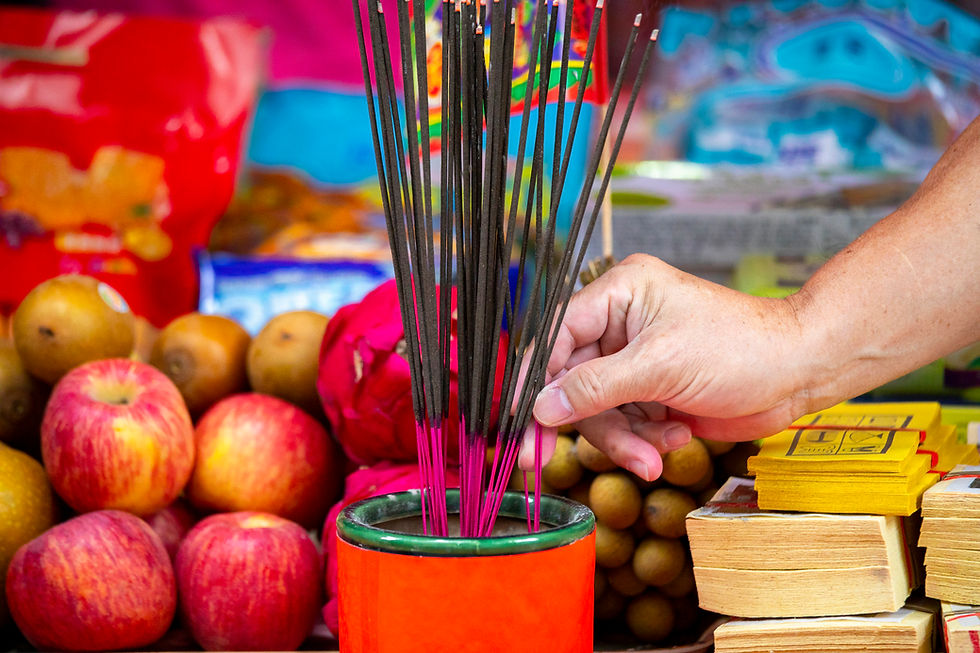
Another meaningful custom is paying respect to ancestors. Families may offer tea, light incense, or prepare small offerings to honour past generations. It’s a way of inviting them to join the celebration in spirit, reminding us where our traditions began.
The Reunion Dinner: A Feast for Family
The New Year’s Eve reunion dinner is the most important meal of the year. No matter how far people travel, they try to return home to eat with family. We always gather around a round table – symbolising unity and togetherness – with several generations sharing the meal.
It’s an evening full of laughter and memory. Grandparents tell old stories, children giggle waiting for red envelopes, and everyone eats a little too much food cooked with love.
Red Envelopes and Fireworks
Children and younger relatives receive red envelopes filled with money for good luck. We remember smoothing out those crisp banknotes as kids – a symbol of protection and blessing for the year ahead.
As midnight arrives, the sound of firecrackers and fireworks fills the night. The loud noises are said to chase away bad spirits and welcome happiness. Even here in the UK, you might see Chinese families setting off small fireworks or sparklers to celebrate in the same spirit.

Legends and Stories Behind the Celebration
Chinese New Year is filled with myths that give meaning to its traditions. One famous story is about the monster Nian, who came out every New Year’s Eve to frighten villagers. They discovered Nian was afraid of loud noises and the colour red – which is why red decorations and fireworks remain central to the festival today.
Another legend explains the origins of the Chinese zodiac. According to the story, the Jade Emperor held a great race between animals to decide the order of the zodiac. The Horse came seventh, representing diligence, strength, and independence – traits still admired today.
Symbolic Foods and Their Meanings
Food is at the heart of Chinese New Year. Each dish carries a symbolic wish for the coming year. Our family always cooks a large spread – a mix of Cantonese favourites and traditional holiday dishes.
Dumplings – Wealth and Prosperity
Their shape resembles ancient Chinese silver ingots, symbolising wealth. Families in northern China often make dumplings together before midnight, sealing in luck for the year ahead.
Whole Fish – Abundance
The word for “fish” (鱼 yú) sounds like “surplus,” meaning you’ll have more than enough for the coming year. We always leave a little fish uneaten – to carry that “surplus” forward.
Sticky Rice Cake (Niángāo) – Growth and Success
Sweet, sticky rice cake represents progress and rising fortune, as “nián gāo” sounds like “higher year.” In Cantonese homes, it’s often given as a gift or enjoyed with tea.
Longevity Noodles – Long Life
These are left uncut to symbolise long life and good health. When we serve them at home, everyone takes care not to break the noodles while eating – a small superstition that’s never worth testing!
Spring Rolls – Gold and Wealth
Their golden colour and rolled shape resemble bars of gold, making them a popular choice for bringing wealth. Many of our customers love ordering them for the same reason.
Sweet Rice Balls (Tangyuan) – Togetherness
Often eaten during the Lantern Festival, these glutinous rice balls are served in syrup and symbolise family unity. Their round shape represents completeness and reunion.
Celebrating Chinese New Year in the UK
Even though it isn’t an official public holiday, Chinese New Year is widely celebrated across the UK. Major cities such as London, Manchester, Birmingham, and Cardiff host public festivals filled with parades, dancing, and food stalls.
In London, hundreds of thousands gather in the West End and Chinatown each year to enjoy dragon and lion dances, fireworks, and music. In Cardiff, events at the Confucius Institute and local cultural centres include calligraphy workshops, craft stalls and performances – offering everyone a taste of the festival spirit.
For those wanting to join in from home, decorating with red lanterns, enjoying a meal with loved ones, or ordering your favourite Chinese dishes are lovely ways to take part.
Our Community in Barry
Here in Barry, celebrations are quieter but no less meaningful. Our family marks the festival by decorating our takeaway with red banners and lanterns, and many of our regulars stop by to wish us a happy new year.
We often recommend traditional dishes like whole steamed sea bass for prosperity, or our crispy spring rolls for wealth and good fortune. After closing, we gather at home for our own reunion dinner – sharing laughter, memories, and long noodles for longevity.
It’s a small but heartfelt celebration, connecting us to our roots while sharing a little of the Spring Festival spirit with our local community.
The Lantern Festival and Final Day
Chinese New Year celebrations continue for fifteen days, ending with the Lantern Festival on 3 March 2026. Families light lanterns, write wishes, and enjoy sweet rice balls together. Lanterns symbolise light guiding the way into a bright year ahead – a hopeful and beautiful end to the festivities.
Wishing You a Prosperous Year of the Fire Horse
From our family to yours, Happy Chinese New Year 2026! May the Year of the Fire Horse bring energy, success, and happiness to your home. Whether you celebrate with family, friends, or with a delicious Chinese meal, we hope the spirit of the Spring Festival fills your year with warmth and good fortune.