
What Do Chinese People Eat for Breakfast? A Full Guide to Traditional Morning Dishes
Breakfast in Chinese culture has always felt different to the Western idea of starting the day. When we think about Chinese breakfasts, we picture the warm smell of steamed buns, the sound of congee bubbling gently on the stove, and the simple comfort of dipping freshly fried dough sticks into hot soy milk. These dishes are everyday staples in many parts of China, and for our family, they bring back memories of early mornings before school, rushed stops at street stalls and weekends spent sharing bowls of noodles with relatives. Even now, when we talk about breakfast at home in Barry, these dishes come up often because they shaped our understanding of comfort food from a young age.
Many people in Wales know that Chinese cuisine varies from region to region, but breakfast is one of the clearest ways to see those differences. Cantonese breakfasts tend to be light, warm and easy to digest. They rely on gentle flavours, fresh ingredients and a balance that prepares you for the rest of the day. In our experience, breakfast is the meal that shows how much Chinese cooking values warmth and nourishment over heaviness or sugar. While Western breakfasts often centre around toast, cereal or a full cooked breakfast, Chinese breakfasts lean towards soups, porridges, steamed breads and freshly prepared snacks that carry both comfort and tradition.
What Makes a Chinese Breakfast Different
Chinese breakfasts tend to focus on warmth, digestion and steady energy. Instead of rich fried foods or sweet pastries, you'll find dishes that are mild, soothing and meant to be eaten slowly. In regions like Guangzhou, breakfast often begins early and serves as a calm moment before a busy day. This gentle start helps balance the body and sets the tone for the morning.
Another key difference is that breakfast foods in China are rarely overly sweet. Even the dishes considered treats, such as steamed custard buns, have a delicate sweetness rather than a sugary one. The overall aim is comfort and nourishment. In our family, breakfast was always about preparing the stomach with something warm, whether that was congee, noodles or steamed buns. That habit is common across southern China and remains a familiar part of everyday life.
Chinese breakfasts are also deeply linked to community. Many people eat at small stalls or teahouses, where dishes are cooked fresh and served quickly. These stalls become part of the morning routine, with familiar faces greeting each other before starting the day. Even though we now live in Barry, we still hold on to that sense of warmth and connection when we share breakfast at home.

Congee: The Heart of a Cantonese Breakfast
Congee is one of the most comforting Chinese breakfast dishes and is particularly common in Cantonese households. It is a rice porridge cooked slowly until the grains break down into a smooth, warming consistency. This dish is simple, but the method is what makes it so satisfying. A good congee takes time, allowing the rice to soften into a creamy texture without the need for cream or milk.
There are many ways to serve congee. Some people prefer it plain with a small dish of pickles on the side, while others enjoy toppings such as pork, century egg, fish slices or shredded chicken. In our experience, the beauty of congee lies in its flexibility. You can make it as light or as filling as you want. Congee is especially comforting on cold mornings, and many families rely on it when they feel unwell or want something gentle.
In Guangzhou, congee restaurants open early and stay busy throughout the morning. Customers sit over warm bowls, often pairing the dish with fried dough sticks for contrast. The combination of soft congee and crisp dough creates a balanced start to the day that feels homely and satisfying. If you enjoy gentle flavours in the morning, you might also enjoy learning about traditional Cantonese dim sum dishes.
Youtiao and Soy Milk: A Classic Pairing
Youtiao, often called fried dough sticks, are long, golden strips of dough fried until airy inside and crisp on the outside. They are mild in flavour, which makes them perfect for dipping. The companion to youtiao is freshly made hot soy milk, served either sweetened or unsweetened depending on preference. Together, these two items are one of the most traditional Chinese breakfast combinations.
In our childhood, youtiao was considered a treat. They were sold at street stalls early in the morning, and the best ones were freshly fried. The texture matters; they should be crisp enough to snap gently when pulled apart, yet soft enough inside to soak up the warm soy milk. This contrast is what makes the pairing memorable.
Soy milk plays an important role in Chinese breakfasts in general. It is warming, protein rich and soothing. When paired with youtiao, it becomes a complete breakfast that offers both satisfaction and comfort. Many families pick up youtiao on the way to work or school because they are quick to eat and easy to pack.
Steamed Buns: Soft, Versatile Breakfast Favourites
Steamed buns are one of the most recognisable Chinese breakfast items. They come in several varieties, ranging from sweet to savoury. The dough is soft, fluffy and gently sweet, creating a comforting start to the morning.
Char Siu Bao
These buns are filled with Cantonese barbecue pork, offering a warm, slightly sweet filling inside a soft bun. While they are often enjoyed during dim sum, they are also common at breakfast stalls and supermarkets across China.
Plain Mantou
Mantou are simple steamed buns without any filling. They are mild in flavour, making them accessible and easy to pair with soy milk, pickles or small dishes. Mantou is often served at home because it stores well and reheats quickly.
Sweet Custard Buns
These buns have a warm custard filling that is smooth and comforting. They offer a gentle sweetness and are especially popular with children.
Steamed buns are widely loved because they are portable and satisfying. Many people take them away from street vendors and eat them on the go, making them a practical morning choice.
Chinese Noodles for Breakfast
Noodles might seem like a lunch or dinner food to those unfamiliar with Chinese breakfasts, but across China, they are a common morning option. They offer warmth, comfort and steady energy for the day ahead. In Cantonese cities, breakfast noodle dishes are usually light, with broths that are gentle and mildly seasoned.
Wonton Noodle Soup
This dish combines delicate wontons filled with prawns or pork, thin egg noodles and a clear broth. The broth is fragrant without being overpowering. In our experience, this dish is especially comforting on colder mornings and is one of the most familiar breakfast dishes across southern China.
Beef Brisket Noodles
Another popular option is beef brisket noodles, served in a savoury broth with tender pieces of slow-cooked beef. While heartier than wonton noodles, it remains balanced and warming.
Fish Slice Noodles
Light fish slices cooked gently in broth create a mild, soothing bowl of noodles that feels particularly fresh and easy to eat early in the day.
Noodles at breakfast offer flexibility and comfort. Many people choose them when they want something a bit more substantial without feeling weighed down.
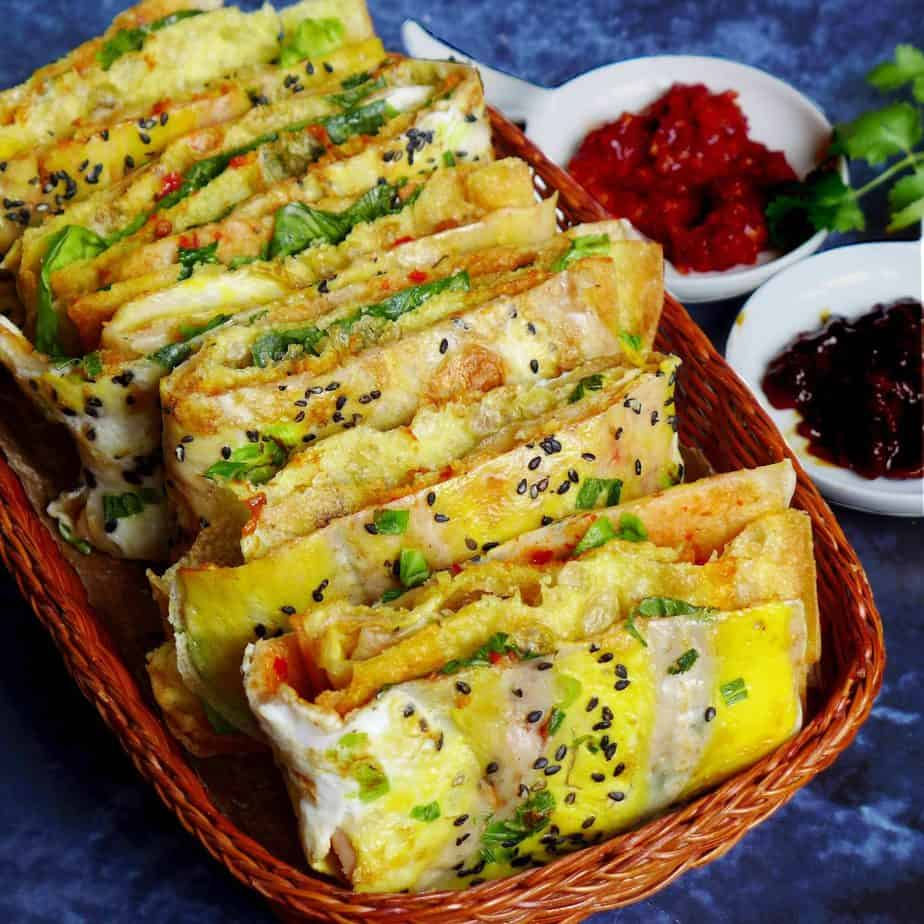
Jianbing and Savoury Crepes
Jianbing is a northern Chinese breakfast dish that has gained popularity across China for its flavour and convenience. It is a thin savoury crepe cooked on a hot plate, filled with egg, spring onions, coriander and crispy fried dough pieces. A mild sauce is spread on top before rolling it up to serve.
This dish is convenient for people who want breakfast on the go. Its combination of soft crepe, warm egg and crunchy filling creates a layered texture that appeals to many. Although jianbing is more commonly found in Beijing, Tianjin and Shandong, its popularity has spread due to how satisfying and practical it is.
For those unfamiliar with Chinese breakfasts, jianbing is often a pleasant surprise because it feels familiar yet distinctly Chinese in flavour and preparation.
Why Chinese Breakfasts Feel So Comforting
Chinese breakfasts have a calming quality that carries through the day. The dishes rely on warmth, gentle flavours and textures that soothe rather than overwhelm. For our family, breakfast brought everyone together before heading in different directions. Those simple dishes shaped our understanding of comfort food, and we still turn to them when we want something warm and steady.
The experience of starting the day with bowls of noodles or plates of steamed buns is something we associate with family life, shared routines and moments of quiet before the day grows busy. Even though we now live in Barry and cook mainly for customers during the afternoon and evening, these breakfast traditions remain part of who we are.
FAQ: Chinese Breakfast Dishes
What do Chinese people usually eat for breakfast?
Breakfast in China varies by region, but many people start the day with something warm and comforting. Common choices include congee, steamed buns, noodles, fried dough sticks with soy milk, and savoury pancakes such as jianbing. These dishes are simple, nourishing and easy to digest, which is why they have stayed popular for generations.
Why is congee such a common breakfast in China?
Congee is mild, warming and gentle on the stomach, which makes it ideal for early mornings. It can be eaten plain or topped with ingredients such as pork, fish or pickles. Many families, including ours, see it as a dish that brings comfort and helps balance the body at the start of the day.
Is Chinese breakfast always savoury?
Most Chinese breakfast dishes lean towards savoury flavours rather than sweet ones. Even items with a hint of sweetness, such as custard buns, keep the sweetness subtle. The aim is to provide steady energy without feeling heavy or overly sugary.
Do people drink tea with breakfast in China?
Yes, tea is part of many breakfast routines. Lighter teas such as jasmine or chrysanthemum are common, while some people prefer stronger teas like pu-erh. Tea helps balance richer foods and adds warmth to the morning meal.
Are noodles a breakfast food in China?
Noodles are a popular breakfast choice across China, especially in southern regions. Dishes such as wonton noodle soup or beef brisket noodles provide warmth and comfort, making them ideal for starting the day.
Is Chinese breakfast healthy?
Traditional Chinese breakfasts focus on warm, lightly seasoned dishes that are easier to digest first thing in the morning. Many meals include broths, steamed items and balanced ingredients, which makes the overall approach gentle and nourishing.
Can you get Chinese breakfast dishes in the UK?
Some cities have cafés, bakeries or dim sum venues that serve breakfast dishes such as congee, bao or soy milk. However, traditional Chinese breakfasts are still less common in UK towns. Guides like this help people understand what they would expect if travelling or exploring authentic Cantonese food.


