What Is Qingming Festival? A Guide to China’s Tomb-Sweeping Day
Every spring, there’s a day marked not by firecrackers or feasts, but by reflection. Qingming Festival, often referred to as Tomb-Sweeping Day, is one of the most meaningful observances in the Chinese calendar. While it’s not as well-known in the West as Lunar New Year or Mid-Autumn Festival, it holds a deeply important place in Chinese life and heritage. For us, it’s always been a time to slow down, honour our ancestors, and quietly observe traditions that have connected families for generations.
The date is tied to the solar calendar, usually occurring on the 15th day after the Spring Equinox. While the festival’s roots are thousands of years old, its relevance hasn’t faded. It’s still observed across China – and by many overseas families too – through visits to ancestral graves, offerings of food and incense, and quiet rituals that express love and remembrance.
There’s something grounding about Qingming. It isn’t about spectacle or celebration. Instead, it’s about presence – being there for those who came before us. Whether families are tidying gravestones, burning symbolic joss paper, or just sharing a favourite dish their grandparents loved, it’s a day that blends personal memory with tradition. Even for those who can’t travel back to their hometowns, the sentiment carries across distances.
When Is Qingming Festival and Why Does It Matter?
Qingming typically falls in early April, and in 2026, it will take place on Saturday 4 April. The name “Qingming” means “clear and bright”, which fits the season well – April in China is when spring is truly starting to bloom. But this day isn’t just about seasonal change. It’s an official public holiday in China, and families usually use it to return to their ancestral homes to carry out rituals at the gravesides of relatives. The festival reflects a core value in Chinese culture: filial piety, or respect for your elders and ancestors.
The origin of the festival dates back over 2,500 years and is connected to the Cold Food Festival. Over time, it became less about food restrictions and more focused on remembrance. Today, the idea of tidying grave sites, offering fresh flowers or fruit, and burning paper money (as a symbolic gift to the afterlife) are some of the common ways people participate.

Qingming Traditions and Rituals Explained
One of the main traditions associated with Qingming is tomb-sweeping. Families will clean the graves of their ancestors, pull out weeds, sweep away leaves, and make offerings. These acts aren’t just about tidying up – they’re symbolic of care and continued connection. In cities, where many people don’t live close to their ancestral homes, some will visit cemeteries a few days early or simply mark the day at home.
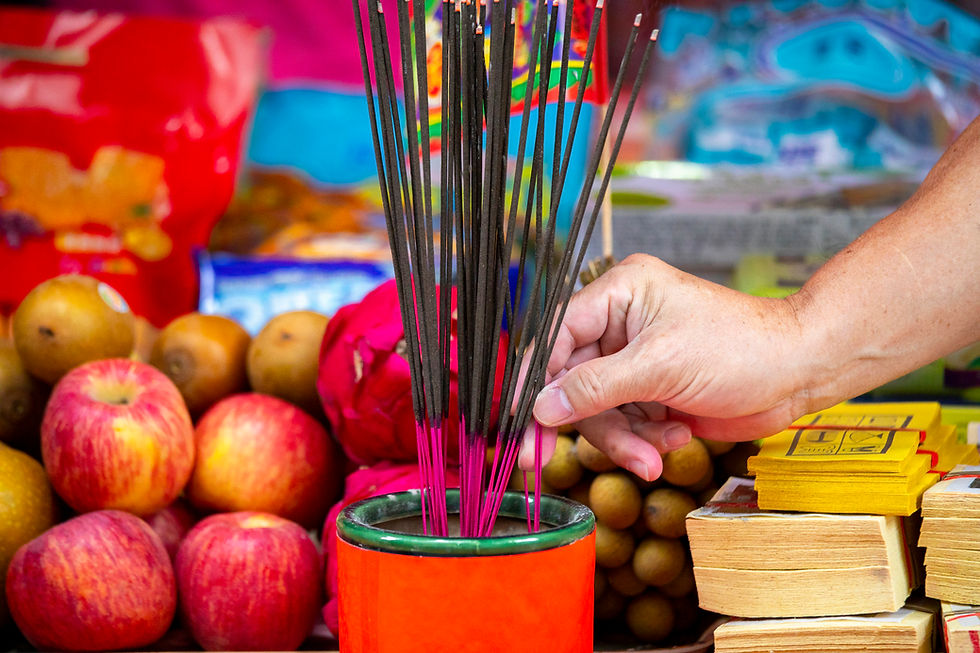
Burning incense and joss paper is another custom that persists across regions. The paper might be folded to resemble money, clothes, or even phones – a way of sending material comfort to loved ones who’ve passed. Some families also light firecrackers (where allowed), both to show presence and to symbolically ward off bad spirits.
Food plays a role too, but not in the celebratory sense. Cold dishes like qingtuan – glutinous green rice balls often filled with red bean – are commonly eaten, especially in the Jiangnan region. These snacks aren’t flashy but are full of meaning and seasonal relevance. In some areas, people might share tea or simple buns near gravesites, talking quietly or just sitting together.
What Do People Eat During Qingming Festival?
While Qingming is not primarily about feasting, there are a few dishes and snacks closely associated with the day. In southern China, particularly in places like Guangzhou, people often eat light, fresh foods that reflect the season. Qingtuan is one of the best known – the green comes from wormwood or barley grass, giving it a slightly herbal flavour. They’re chewy, subtly sweet, and usually enjoyed cold.
In rural areas, hard-boiled eggs, steamed buns, or small pastries might be carried to gravesites and shared after the rituals are complete. These foods aren’t extravagant, but they’re chosen with care. Sometimes a family member’s favourite food is placed at the tomb as an offering before being eaten together later.
It’s also common for people to avoid cooking on the actual day – a nod to older customs from the Cold Food Festival. Instead, cold dishes are prepared in advance. The focus is on honour, not indulgence.
Do We Celebrate Qingming Festival in the UK?
We don’t close for Qingming, but that doesn’t mean we don’t mark it in our own way. Even when we’re far from family graves or the cemeteries we’d visit back in Guangzhou, we take time on that day to think about those we’ve lost. Sometimes it’s just lighting a stick of incense, sometimes it’s sharing a quiet bowl of tea. It’s about the experience of connection.
Some families in the UK will visit local cemeteries if their relatives are buried here, and others may hold small memorial rituals at home. Whether you're Chinese yourself or simply want to understand more about your neighbours and their traditions, Qingming is a gentle reminder of how powerful remembrance can be.
FAQs about Qingming Festival
When is Qingming Festival in 2026?
Qingming Festival will be observed on Saturday 4 April 2026.
Is Qingming a public holiday in the UK?
No, it’s not a recognised holiday here, but it is a major public holiday in China.
How do people celebrate it in the UK?
Many families hold private rituals at home or visit local cemeteries if possible. Some simply light incense or cook a loved one’s favourite dish as a way to remember them.
What foods are associated with the festival?
Common foods include qingtuan (green sticky rice balls), hard-boiled eggs, and cold dishes like buns or spring greens.
Is it a sad occasion?
It’s more reflective than sad. While it’s a time of remembrance, it’s also about showing care, expressing gratitude, and keeping family traditions alive.